The Dispatch Rider Economy: How Nigeria's Delivery Heroes Are Building Wealth One Drop-off at a Time
The Dispatch Rider Economy: How Nigeria's Delivery Heroes Are Building Wealth One Drop-off at a Time
Published October 12, 2026 · 6 min read · Earn with KlosaMart
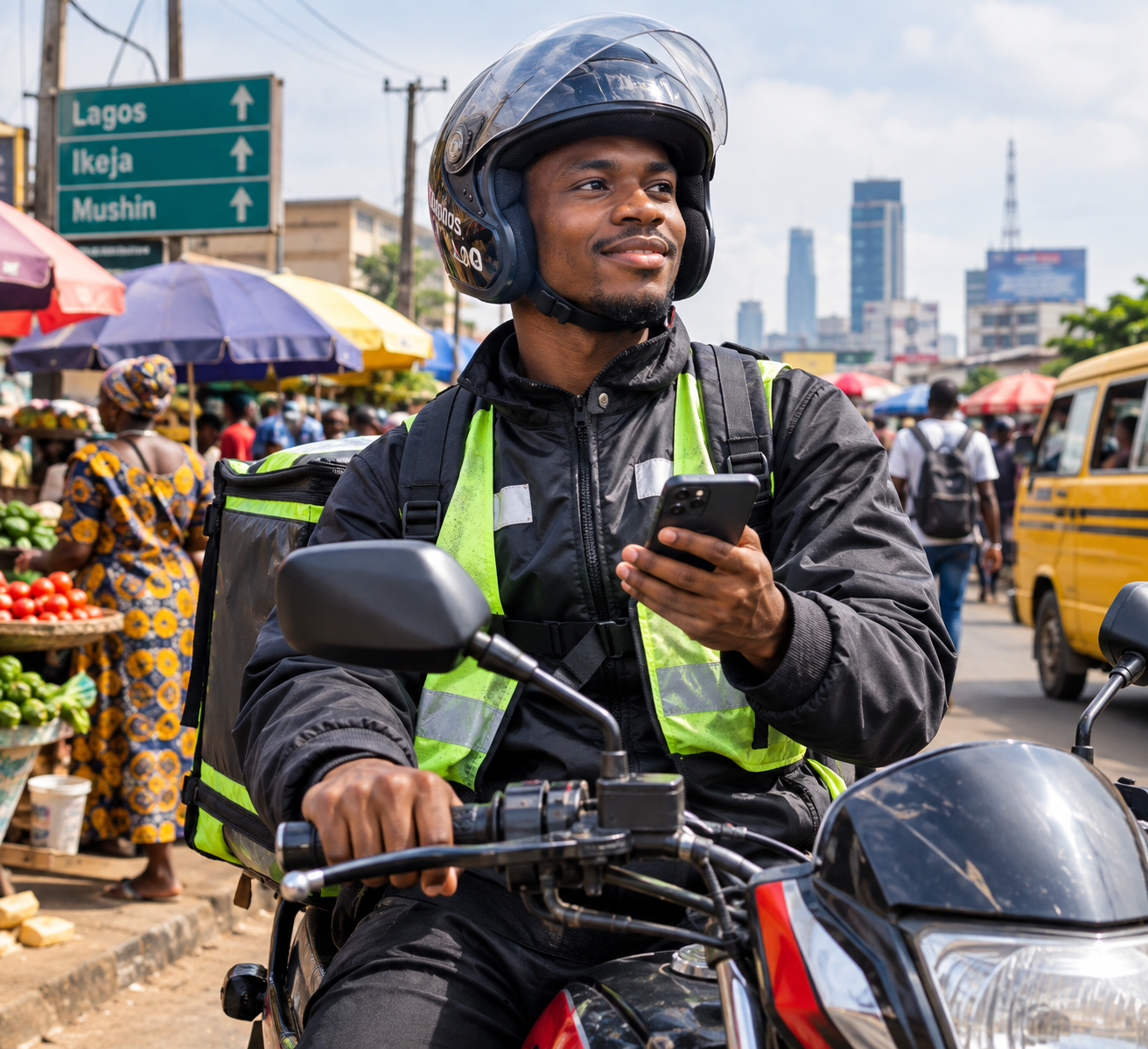
Watch a skilled dispatch rider navigate Lagos traffic and you are watching someone who has turned the city's chaos into a competitive advantage. The route knowledge, the timing, the ability to get from Ikeja to Victoria Island in a window that would take a car twice as long — these are skills built over years of navigating one of the most complex urban environments on earth.
We’ve always needed these riders. Without them, Nigerian commerce, from the market runs that stock local restaurants to the deliveries that keep households supplied, would grind to a halt. What has been lacking for most of their working lives is a platform that values and formalizes that contribution.
KlosaMart is that platform.
Every vendor who lists on KlosaMart needs a rider. Every order placed by a buyer creates a delivery job. The platform's growth directly translates into rider income from day one.
The Scale of the Opportunity
When a marketplace platform launches with over 100 markets listed across 20 states, the delivery requirement is not a small detail — it is a central operational reality. Buyers who order from a vendor in Balogun Market need someone to pick up that order and bring it to them in Surulere. Buyers who order from Computer Village need a rider who knows Ikeja cold.
KlosaMart's model is built around exactly this reality. Vendors on the platform attract buyers. Buyers place orders. Those orders become deliveries. Those deliveries pay riders.
More vendors = More orders. More orders means more delivery income. When you join the KlosaMart network, you are joining at the point of maximum growth before the order volume hits its peak.
What Makes KlosaMart Different for Riders
One of the common issues faced by riders in Nigeria’s gig economy is often platform dependency. If you drive for just one food delivery app, your earnings are based on how many orders that app has that day. Dead zones, when orders drop, are hours of waiting with no earnings.
KlosaMart's model addresses this in two ways:
Market-zone deliveries are highly localised: Riders work within the market areas they know, rather than being sent across the city for a single drop-off. This reduces transit time and increases the number of deliveries a rider can complete per shift.
KlosaMart does not require exclusivity: A rider can remain registered on other delivery platforms and add KlosaMart orders to their existing schedule, rather than replacing their current income with it.
The result is a delivery income stream that adds to existing earnings rather than competing with them — at least in the early stages of the platform's growth.
The Income Potential: Realistic Numbers
Let's be specific. In a city like Lagos, where KlosaMart has 11 active markets at launch, a rider who covers two or three adjacent market zones during morning and afternoon peak periods can reasonably complete 6–10 deliveries per day at current market rates for local dispatch.
At an average per-delivery earning of ₦800–₦1,500 (depending on distance and market), a rider completing 7 deliveries per day earns between ₦5,600 and ₦10,500 per day.
Five working days a week yields ₦28,000–₦52,500 per week from KlosaMart orders alone.
Those figures will grow as vendor listings grow and order volume increases. A rider who builds familiarity with specific market zones and establishes a reliable track record becomes a preferred rider for repeat vendor orders — which is where sustainable platform income is built.
Beyond the Income: What Recognition Looks Like
There is something worth naming that goes beyond the per-delivery calculation.
In Nigeria, dispatch riders work in a crucial yet unrecognized industry: a profession that keeps commerce rolling while remaining largely invisible to the financial and formal economic systems that could help it.
A rider with a KlosaMart transaction history has something that most informal sector workers lack: a verifiable digital record of consistent economic activity. This record, over time, is the foundation of a credit profile that makes it possible to access a business loan, a vehicle financing option, or other forms of formal financial support.
KlosaMart is not a bank. But a platform that takes rider activity seriously — that records it, recognises it, and builds its operational model around it — creates the conditions for riders to be seen the way they have always deserved to be seen: as professionals.
How to Register as a KlosaMart Rider
- Visit klosamart.com/sign-up and select Dispatch Rider at registration.
- Provide your name, phone number, city, and vehicle details.
- Your profile is reviewed and activated — no lengthy onboarding period.
- You go live in your market zones and begin receiving delivery assignments.
- Earnings are tracked per delivery in your rider dashboard.
What you need: a working motorcycle or delivery vehicle, a valid ID, and a phone that can receive delivery notifications. That is the full list.
Who Should Register Right Now
- Dispatch riders already working in Lagos, Abuja, Kano, Port Harcourt, or Enugu who want to add a new income stream to their existing schedule
- Motorcycle owners looking to monetise their vehicle during off-peak hours
- Anyone currently doing informal market-run deliveries for individuals who wants to formalise and scale that activity
- Riders who have worked with other delivery platforms and want a market-focused alternative with local zone assignments
Nigeria's dispatch riders have always been the engine of local commerce. KlosaMart is the platform that finally puts them in the driver's seat of their own income.
The Bigger Picture
The Nigerian gig economy is growing, but it has historically concentrated delivery income around food and e-commerce goods. KlosaMart opens a third category: local market goods.
Fabric from Balogun. Leather from Ariaria. Electronics from Computer Village. Provisions from Wuse. Fresh produce from Bodija. These are goods that millions of Nigerians buy every week and currently collect themselves. Every one of those trips is a delivery that has not yet been made — and a payment that has not yet reached a rider.
That is the size of the opportunity KlosaMart is opening. And the riders who are registered when it are the ones who earn from it first.
🏍️ Register as a KlosaMart Dispatch Rider — klosamart.com/sign-up